
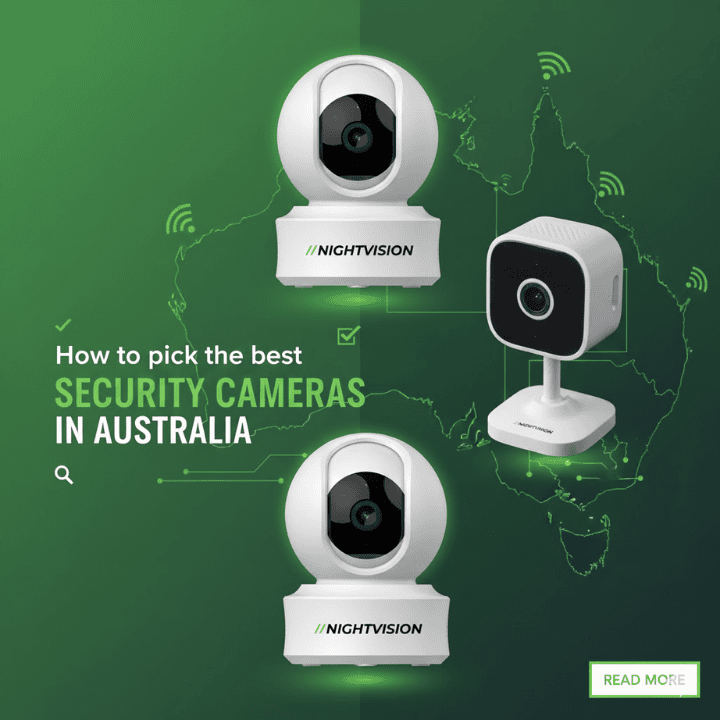
How to pick the best security cameras in Australia
In Australia, choosing the right security camera is not just about recording footage. Australia has some of the harshest weather and brutal wildlife ever present around every corner. On top of this, the land down under has a wide range of businesses, each having its own requirements. Therefore, choosing the best CCTV camera requires a bit more thought. You need to consider features such as video quality and reliable night vision top of durability and weather resistance.
In this guide, we provide you with insights on key aspects you need to consider before picking the best security cameras in Australia. The guide shall be divided into two parts, one focusing on the features and another focusing on the type.
Key Features to Consider When Choosing a Security Camera
Choosing the right security camera in Australia often comes down to understanding what features you require. While some of you may focus on the camera quality, for others, this may not be a top priority. So, before choosing the camera, you need to know what you want. Some of the key features that you should consider include:
Resolution and Image Quality
Resolution directly affects how clear and usable your footage is. Higher-resolution cameras capture finer details such as facial features, license plates, and clothing, which becomes crucial during incidents. Although 1080p remains a good home security standard, the use of 2K and 4K cameras will provide a clearer picture for larger regions such as driveways and office settings. This will also depend on the sensor size and speed, and even the state of the compression, so it should all work together.
Field of View & Coverage Area
The field of vision defines the area that can be recorded by a single camera. The wider the field of vision, the greater the area being recorded and the less the need for multiple cameras. Cameras with narrow angles work well for focused areas like entrances, while wide-angle lenses suit open areas such as yards and parking lots. However, extremely wide views can cause image distortion at the edges. Choosing the right balance ensures optimal coverage without sacrificing image clarity.
Night Vision and Low-Light Performance
Since many security incidents occur after dark, night vision is a critical feature. Most cameras use infrared LEDs to capture black-and-white footage in complete darkness. There are new models with colour night vision capabilities using low-light sensors or built-in spotlights. Low light sensitivity is useful for taking quality photographs in low-light locations. One should take into consideration the night vision capability as well as the performance capability when choosing a camera.
Power Options
Security cameras are powered in different ways, including battery-powered, mains-powered, and Power over Ethernet (PoE). Battery cameras are easy to install and ideal for renters, but they require regular charging. Mains-powered cameras provide continuous operation but need nearby power outlets. PoE cameras come with power and data transmission over one cable, and these are reliable and fixed. The appropriate power source depends on flexibility and ease of maintenance.
Connectivity and Remote Access
Contemporary security cameras require a network for live access and playback. The majority of residential cameras connect to a Wi-Fi network. In contrast, commercial camerasconnect to a wired network for a seamless experience. The capacity to access the network remotely using a mobile application will enable you to view your premises, no matter the location within Australia. It is essential to find a network solution that offers a robust and secure network.
Storage Options
Storage determines where and how your footage is saved. Local storage options such as SD cards or network video recorders give you full control without ongoing fees. The cloud storage functionality offers accessibility and backup services at a cost. The existence of other cameras with cloud and storage functions is a strong advantage for this particular brand. In the process of choosing the digital camera to buy, budget compatibility in relation to storage functionality is considered.
Smart Features
Smart capabilities enhance the way your security camera responds to events. Capabilities that include two-way talk, live alerts, two-way communication, and person detection allow your security camera to have more accurate alerts. You can incorporate your security camera with your smart home devices, such as digital assistants. Such features make your security camera more than a footage recorder. It will actively alert you to events that occur as they take place.
Weatherproofing and Durability (Outdoor Use)
Outdoor security cameras need to be able to handle Australia’s varying weather, whether it’s heavy rains or scorching hot days. When looking to buy an outdoor security camera, consider purchasing one with a good IP rating, which means it’s resistant to dust and water. This is an essential feature because not only does it result in a longer camera lifespan, but it also guarantees quality image performance and stability regardless of whether it is summer, autumn, winter, or spring.
Types of Security Cameras
While selecting the most suitable CCTV security camera for purchase, evaluating its features is only part of what is involved in decision-making. Along with the features, you should also consider the type of cameras you need. There are three main types of cameras. They include:
Bullet Cameras
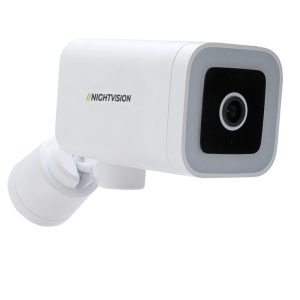
Bullet cameras are easily recognisable by their long, cylindrical shape and are commonly used for outdoor surveillance. Their visible design acts as a strong deterrent, making them effective at discouraging intruders before any incident occurs. These cameras are very useful when it comes to surveillance of driveways, entrances, fences, and open areas. The bullet cameras are known for their long-distance view capability as well as their powerful night vision. The cameras are also very easy to install and configure. Therefore, if you are looking for the best wireless outdoor security camera, you can opt for purchasing bullet cameras that are highly weather-resistant.
Dome Cameras
While bullet cameras are ideal for outdoor surveillance, dome cameras are the best indoor security cameras if you optimise your features. Dome cameras
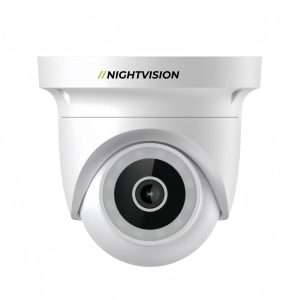
Dome cameras are small, covert, and ideal for indoor/outdoor use in offices. The domed shape of these cameras ensures that the direction the camera is pointing remains unclear, thus providing an added security feature. Dome cameras can be found in shops, offices, and reception areas. Dome cameras offer tamper-proofing against damage. With wide viewing angles and a clean design, they blend well into professional spaces while still delivering reliable surveillance.
PTZ Cameras.
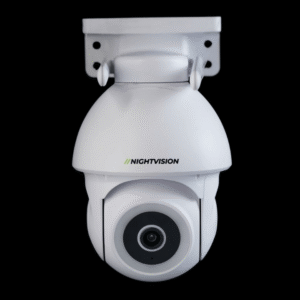
PTZ cameras provide sophisticated control over surveillance systems with features that enable the camera to pan, tilt, and zoom. The cameras are most suited for monitoring large areas such as a warehouse, parking lot, and office set-up. The camera has multiple zone coverage, thereby making it unnecessary to set up multiple cameras. This type of camera comes with features that include preset positions, auto-track, and high optical zoom. So, although PTZ cameras are not highly optimised for either outdoor or indoor surveillance, they are the ideal camera if you need wide area surveillance. Furthermore, if you choose one with high weather resistance and durability, as there are models available with these features, you can make it suitable for outdoor environments. And, since the primary use for PTZ cameras is in large areas such as warehouses, it is a good deterrent and does not need to be concealed as dome cameras.
As a side note, you should also note that there are both wired and wireless versions for all three types of cameras. So when choosing the best security camera systems in Australia, you should consider these factors as well.
Best Security Cameras Australia
Keeping all the aspects we have mentioned into consideration, there are some CCTV cameras that stand out among the rest. These CCTV cameras are affordable, have good features, and high durability. Some of the best security cameras in Australia, along with their prices, are:
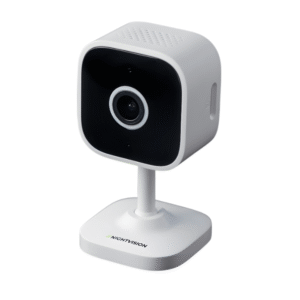
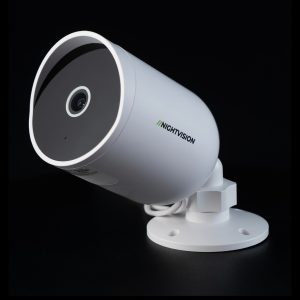
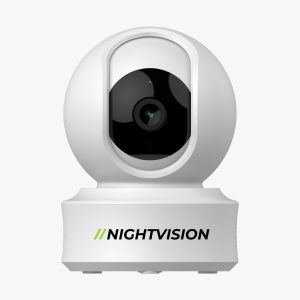
Conclusion
Choosing the best security camera is a tough decision. But if you understand your requirements, environment, and long-term expectations well, it can be rather simple. Starting from image and night vision to durability and type of cameras, each aspect contributes to the success of the system you intend to use. You therefore need to ensure you align all the aspects with the type of cameras to find the right mix for developing an effective home or business protection system.
If you are looking for more such information about CCTV cameras, you are free to explore some of our other blogs. And if you want the best CCTV cameras, do browse our selection of some of the best devices at Night Vision. Thank you for reading till the end.
FAQs on picking the best security cameras in Australia
What is the best security camera for outdoor use in Australia?
The best outdoor security cameras in Australia are those with strong weather resistance, reliable night vision, and durable housing. Bullet cameras are a popular choice because they offer long-range visibility and act as a visible deterrent. Always check the IP rating to ensure the camera can handle rain, dust, and extreme temperatures.
Are wireless security cameras trusted in Australia?
Wireless security cameras are also effective if you have a stable internet connection and a strong Wi-Fi network. They are also easy to install, and if you have a home or a small business, these security cameras would be a great installation option if you have difficulty wiring your place.
Are there any monthly subscription charges for security cameras?
All security cameras don’t have to be subscription-based. You have options in local storage devices, which offer free recording, while cloud storage is usually subscription-based. Setting up a hybrid system is an option that gives you flexibility without having to spend much in the long run.
How many security cameras do I need for my property?
Whether you need a single or multiple cameras for the task depends on the size of the area you need to cover. Focus on the critical areas first when installing the security cameras.



Pingback: Best Security Camera With Two-way Audio 2026